
How to Choose the Right Person to Alter or Make Your Dress
29/07/2026
What to ask and what to look for before trusting your dress to a seamstress or tailor: the signs ...
Leer más →

Giving a garment a second life is not only a sustainable decision, it is a creative act that transforms what already exists into something completely new.
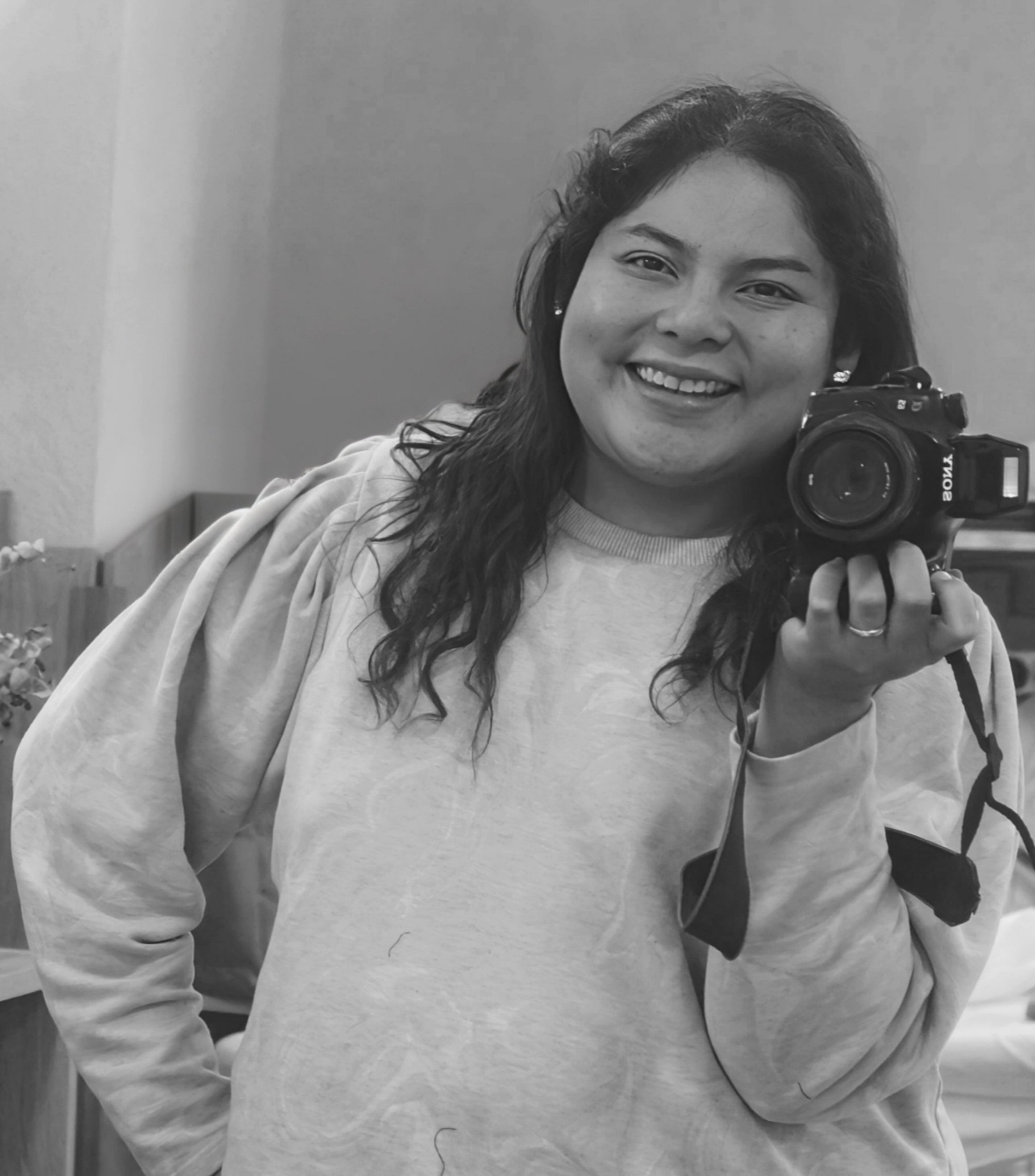
Every few weeks, a garment arrives at the atelier with a similar line: "I don't wear this anymore, but I feel bad getting rid of it." And that's where one of my favorite processes begins: upcycling.
Unlike traditional recycling, upcycling doesn't destroy the fabric to turn it back into raw material. It makes use of it as it is, and transforms it through design and sewing into a piece with more value — aesthetic, functional, or simply emotional — than it had before.
Dresses that go from long to short, vintage garments updated without losing their character, inherited clothes that make sense again in a current wardrobe, silhouettes completely reshaped by adding new fabrics. Every project starts the same way: I look at the garment, understand its structure, and from there suggest what's possible to do with it.
"Many garments still have a lot to offer when worked with creativity and technical knowledge."
The transformations with the most emotional weight are usually inherited garments — a mother's or grandmother's dress adapted to be worn again today. There, the work isn't just technical: it's finding the balance between respecting the original piece and making it feel current.
A classic alteration adjusts a garment so it works again as what it already was — a hem, a waist, a closure. Upcycling goes further: it completely changes the garment's use or function. A shirt becomes a cushion, a party dress turns into a daytime top, a coat becomes a short jacket. It's not just repairing what's there: it's rethinking what it could become.
Not every garment is a good candidate. Before suggesting an upcycling project, I check the fabric's quality — good fabric holds up better to a deep transformation — and how much fabric is available to work with, since some designs need more surface area than it seems at first glance. I also ask which part of the garment holds the most meaning, to make sure it survives the transformation, whatever the final result is.
First I study the garment: fabric, structure, which modifications are feasible. Then I suggest alternatives based on your taste and budget. I make each change with artisan techniques and careful finishing, and we close the process with a final fitting to adjust any detail before delivery.
I work with clients in Barcelona and the surrounding area who want to rediscover the potential of garments they thought were forgotten. If you have a piece like that in your wardrobe, you can write to me here and we'll look into it together.
What's the difference between upcycling and a normal alteration?
An alteration adjusts the garment so it works again as what it already was; upcycling completely changes its use or function, turning it into something different.
What type of garments have the most potential for upcycling?
Those with good-quality fabric and enough fabric surface to work with — dresses, coats, and inherited garments tend to give the best results.
What's considered before deciding if a garment is worth transforming?
The fabric's quality, how much fabric is available, and which part of the garment holds the most meaning, to make sure it survives the transformation.
"Some garments don't need to be replaced. They need someone to look at them again."
— Patricia Rojas
Custom tailoring
Every garment is made to fit your body and style, with selected materials and high-quality finishes.
Special alterations
We give your favorite garments new life: adjustments, size changes, updates and repairs, done with care and precision.
Personalized attention
We're with you through the whole process, from design to delivery, so the result is exactly what you imagined.
29/07/2026
What to ask and what to look for before trusting your dress to a seamstress or tailor: the signs ...
Leer más →
21/07/2026
In a world of standard sizes and online measurement calculators, I still stand by something as si...
Leer más →
23/06/2026
Party fashion is changing its outlook. Today, elegance is measured by how a garment embraces and ...
Leer más →
22/06/2026
A good repair can add years to a garment's life. Discover how care and artisan precision make all...
Leer más →
0 comments