
How to Choose the Right Person to Alter or Make Your Dress
29/07/2026
What to ask and what to look for before trusting your dress to a seamstress or tailor: the signs ...
Leer más →

A good repair can add years to a garment's life. Discover how care and artisan precision make all the difference.
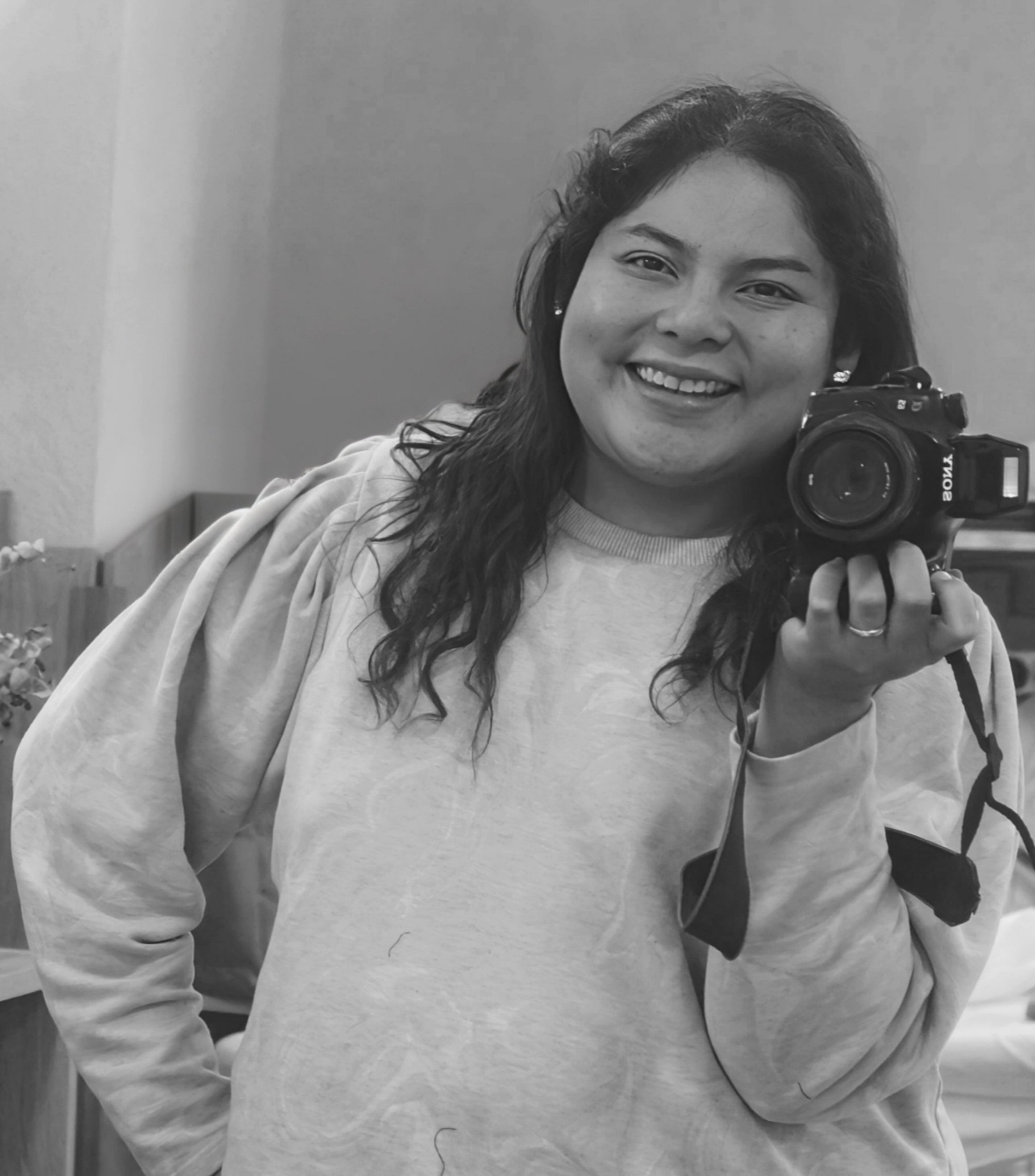
One of the questions I get asked most at the atelier has nothing to do with making something new, but with something much simpler: "how do I make this last longer?"
Clothes go through everyday life with us, and with the right care they can stay in good shape for many years. Wear and tear usually doesn't come from time itself, but from incorrect washing, careless storage, or small flaws left unattended until they stop being small.
Always reading the wash label, however minor it may seem, prevents shrinking and color loss that can't be undone afterward. Storing clothes on proper hangers and folding delicate garments well prevents deformations that show up much sooner than you'd think.
"A loose button or an unstitched seam are minor problems only if they're dealt with in time."
When a client brings me a garment "to fix a button," I almost always check the nearby seams too. A small reinforcement in time keeps them from coming back in a few months with a much bigger problem.
Beyond reading the label, washing inside out protects color and keeps prints from wearing down against other garments. Using laundry bags for delicate pieces or items with fasteners prevents snags that tear more fragile fabrics. And lowering the water temperature, whenever the fabric allows it, extends the life of the fibers far more than most people imagine — excessive heat is one of the most common causes of premature wear, though it's almost never blamed for it.
Not everything deserves to be repaired, but far more garments than people think do. If the fabric and base construction are good quality, it's almost always worth repairing rather than replacing — the cost of the alteration is usually a fraction of what a similar-quality new garment would cost. The exception is very thin or poorly made garments from the start, where the alteration rarely gives a result worth the effort.
We often stop wearing something not because it broke, but because it doesn't fit us the way it used to. That's where an alteration completely changes the story: adjusting a garment to your current shape can bring back one of your favorites, instead of replacing it.
Investing in quality, taking care of what you already have, and turning to alterations when needed is a more responsible way to consume — for your wallet and for the planet. If you have a garment that needs that care, you can contact Atelier Yvicor.
Which habits extend the life of clothes the most?
Reading the wash label, storing garments on proper hangers, washing inside out, and lowering the water temperature whenever the fabric allows it.
When is it worth altering a garment instead of buying a new one?
When the fabric and base construction are good quality — the cost of the alteration is usually a fraction of what a similar new garment would cost.
What should I do if a garment no longer fits the way it used to?
Adjusting it to your current shape usually brings back one of your favorite garments, instead of having to replace it with a new one.
"Taking care of your clothes is a way of taking care of the time you spend in them."
— Patricia Rojas
Custom tailoring
Every garment is made to fit your body and style, with selected materials and high-quality finishes.
Special alterations
We give your favorite garments new life: adjustments, size changes, updates and repairs, done with care and precision.
Personalized attention
We're with you through the whole process, from design to delivery, so the result is exactly what you imagined.
29/07/2026
What to ask and what to look for before trusting your dress to a seamstress or tailor: the signs ...
Leer más →
21/07/2026
In a world of standard sizes and online measurement calculators, I still stand by something as si...
Leer más →
23/06/2026
Party fashion is changing its outlook. Today, elegance is measured by how a garment embraces and ...
Leer más →
11/06/2026
Children's clothing made with care and attention to detail not only dresses, but also tells stori...
Leer más →
0 comments