
Ideas for Giving a Second Life to Baby Clothes Your Child Has Outgrown
22/07/2026
When baby clothes stop fitting, you don't have to choose between keeping everything or donating e...
Leer más →

A few simple steps before bringing a garment to be transformed can make a big difference to the final result. Here's what I always check before we start.
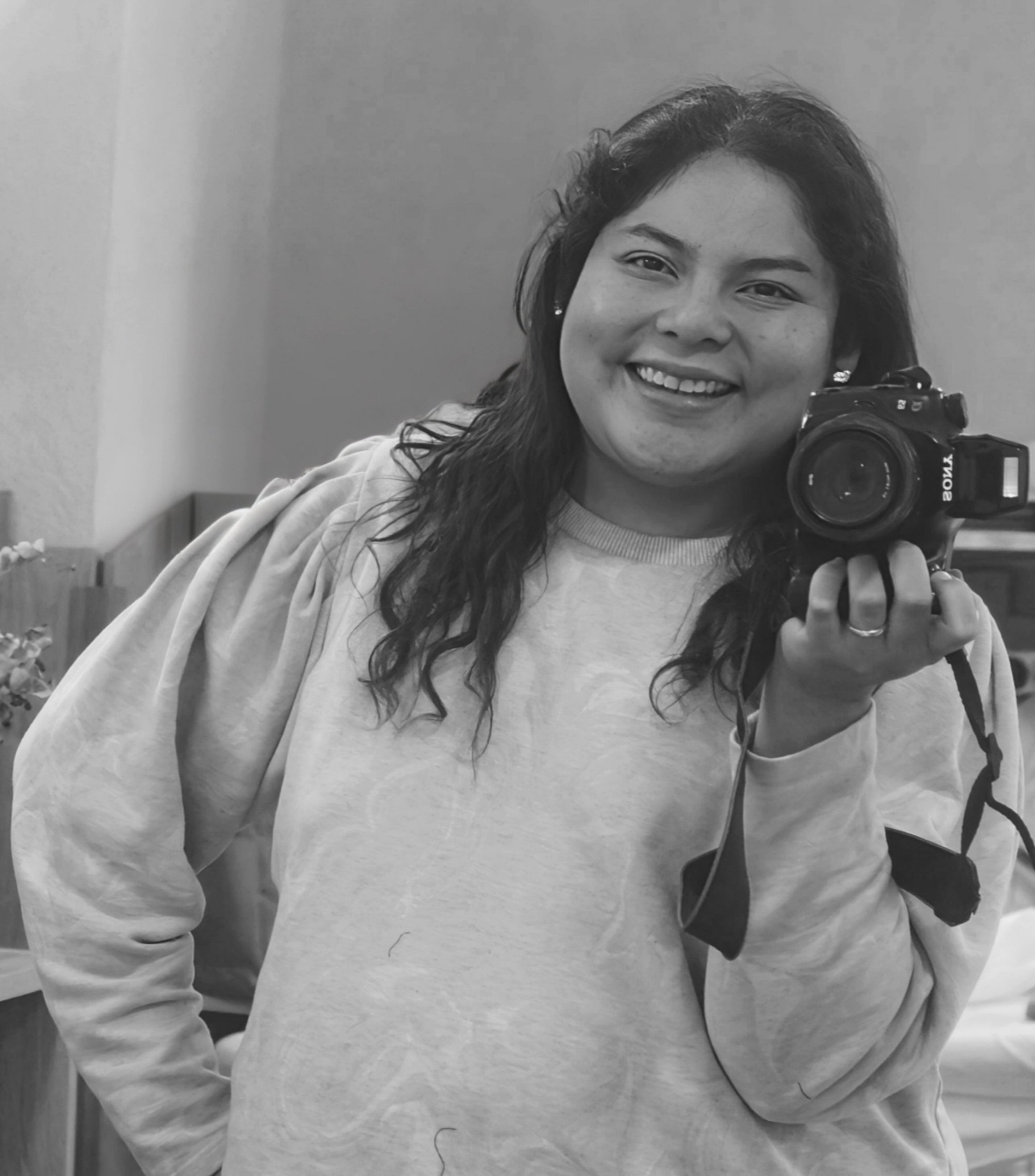
Before a garment reaches my work table to become something else, there are a few preliminary steps that make a huge difference to the final result. And they're almost always very simple gestures anyone can do at home.
When a garment arrives well prepared, I can spend the first appointment talking about design and possibilities, instead of sorting out basic issues that could have been handled beforehand.
Wash and iron the garment — that way I can see its real drape, without wrinkles clouding how the fabric actually behaves. Check the seams and note any worn areas, so we can talk about them from the start. And if you have a garment or reference image in mind, bring it: it helps enormously in putting into words what you're picturing.
"The more information you bring, the less time we lose guessing and the more time we spend designing."
If the garment has old stains or some damage, don't try to hide or disguise it before bringing it in. Sometimes those details completely change which transformation is feasible, and I'd rather know from the very first moment.
When a garment carries emotional weight — it belonged to a mother, a grandmother, a specific moment — it's worth noting which part matters most to preserve. It's not always obvious at first glance: it could be a specific button, the feel of a fabric, or even a hand-sewn label. The clearer you are about which element can't be lost in the transformation, the easier it is to design something that respects it.
A single reference image sometimes isn't enough to convey what you're looking for. If you have several garments or photos that come close to the idea — even if none is exactly what you're picturing — bring them all. Seeing which elements repeat across them — a type of neckline, a length, a texture — helps me understand the style you're looking for far better than a single isolated reference.
It's common to arrive with a very specific idea of what you want. And it's fine to have one — but it's also worth listening to what's technically possible with that specific fabric and structure. Sometimes the best transformation isn't the one we imagined at first, but the one the garment itself allows.
If you have a garment waiting for a second life, you can contact Atelier Yvicor and we'll start there: taking a calm look at it together.
How should I prepare a garment before bringing it to the atelier?
Wash and iron it so its real drape shows, check the seams for any wear, and bring any garment or reference image you have in mind.
Should I hide stains or damage on a garment before bringing it in?
No, quite the opposite — those details can completely change which transformation is feasible, so it's better if they're visible from the very first moment.
Is it better to bring a single reference image or several?
Several, if possible — seeing which elements repeat across different references helps much more in understanding the style you're after than one isolated image.
"A good transformation begins before the first stitch is sewn."
— Patricia Rojas
Custom tailoring
Every garment is made to fit your body and style, with selected materials and high-quality finishes.
Special alterations
We give your favorite garments new life: adjustments, size changes, updates and repairs, done with care and precision.
Personalized attention
We're with you through the whole process, from design to delivery, so the result is exactly what you imagined.
22/07/2026
When baby clothes stop fitting, you don't have to choose between keeping everything or donating e...
Leer más →
03/07/2026
Not all clothes deserve a second life, but some hide a value that goes far beyond fashion.
Leer más →
03/07/2026
Upcycling is not just about transforming clothes. It's about discovering that some garments still...
Leer más →
03/07/2026
There are clothes we stop wearing, but never stop loving. Sometimes they just need a new way to b...
Leer más →
0 comments