
How to Choose the Fabric for a Made-to-Measure Dress (and Why It Changes Everything)
13/07/2026
A dress design can be perfect on paper, but the fabric is what decides how it falls, how it moves...
Leer más →

The first fitting causes more nerves than it should. Here's what you'll actually see at that appointment and how to prepare to get the most out of it.
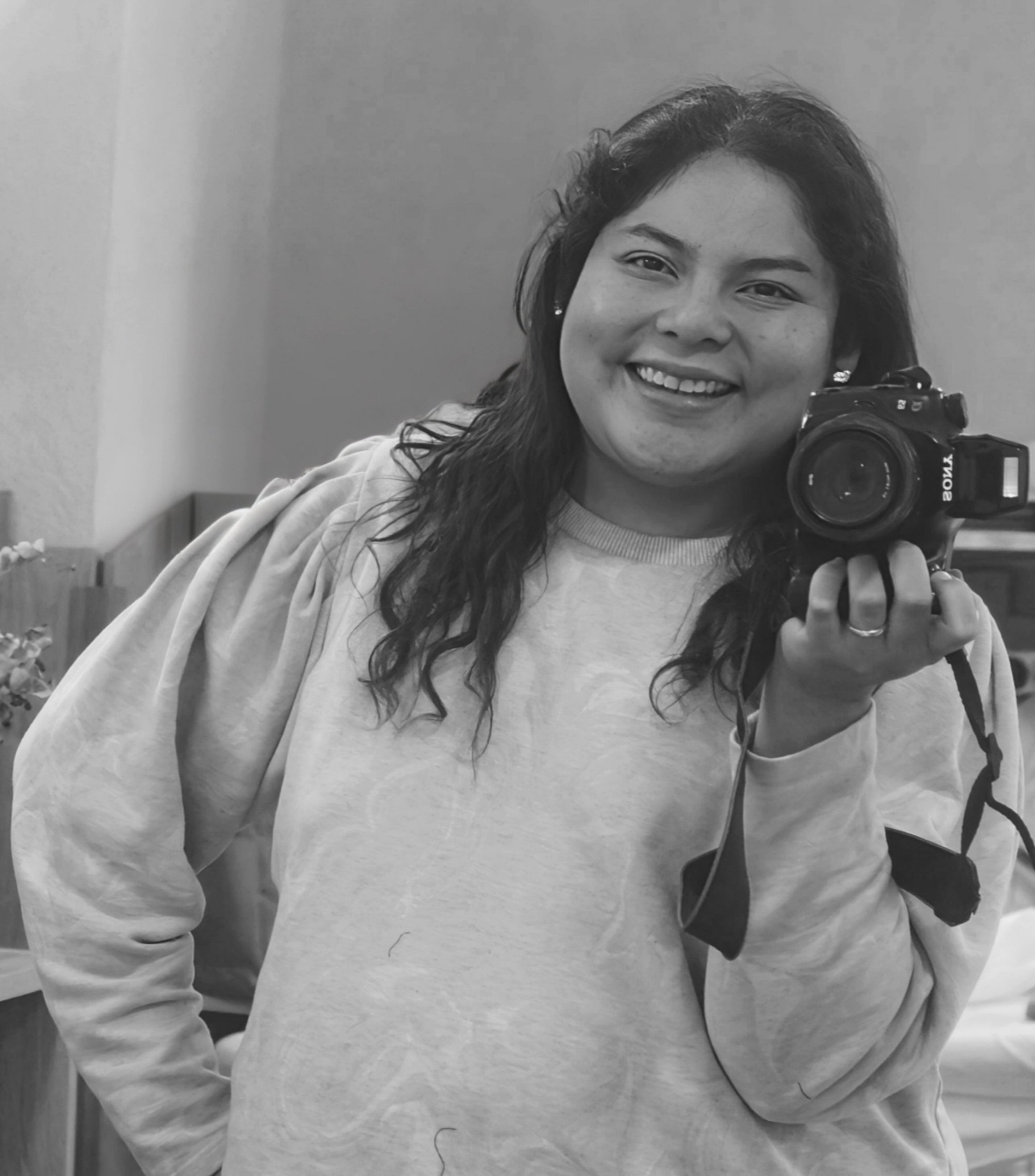
There's a moment in the made-to-measure process that usually causes more nerves than necessary: the first fitting. And I understand why — it's the first time the dress, until then just an idea and a pattern, becomes something real on the body.
But it's important to understand what this first fitting really is: it's not the final result, it's a starting point. At that stage the dress is far from finished, and that's precisely why this appointment exists — to correct before moving forward.
The dress will arrive basted, unfinished, sometimes with only one sleeve or without the final lining. It's normal to see visible stitches, pins marking adjustments, fabric that doesn't yet have its final drape. None of that is a mistake: it's exactly the state it needs to be in.
"The first fitting doesn't show how the dress will look. It shows the path to how it will look."
I always ask the client to come with the underwear and shoes she'll wear on the day of the event. It seems like a minor detail, but it completely changes how the garment falls and which adjustments are actually needed.
It depends on how complex the design is, but it's common to have two or three more fittings after the initial one. The second usually focuses on confirming that the adjustments marked in the first one work well on the body in motion, not just standing still. And the last one, very close to the event date, is for reviewing the final finishes and confirming everything fits exactly as it should — even small weight changes in the days before can make one last adjustment necessary.
If something bothers you during the fitting — it pulls, it's tight, it feels odd when you move — say so in the moment, even if you can't explain it with technical precision. Phrases like "I don't feel comfortable with this neckline" or "I feel it pulling here" are more useful than they seem: translating that feeling into a concrete adjustment is precisely my job. Staying quiet about a discomfort at the first fitting only makes it harder to correct later.
Come with time to spare, no rush, and an open mind to the fact that the dress is still taking shape. This is the moment to voice any detail that bothers you: a neckline, a length, a sleeve. The sooner it's mentioned, the easier it is to correct without compromising the design.
The first fitting isn't an exam the dress has to pass. It's a conversation between what we imagined together and what the body needs. If you're thinking about a made-to-measure dress, you can contact Atelier Yvicor and I'll walk you through the whole process.
What should I bring on the day of my dress's first fitting?
The underwear and shoes you'll wear on the day of the event — it completely changes how the garment falls and which adjustments are actually needed.
How many fittings are there in total, usually?
Usually two or three after the first, depending on the complexity of the design — the last one very close to the event date to confirm the final finishes.
What should I do if something doesn't feel right during the fitting?
Say so in the moment, even if you can't explain it with technical precision — translating that feeling into a concrete adjustment is part of the atelier's job.
"What starts as a basted seam ends up being the dress you'll wear on the most important day."
— Patricia Rojas
Custom tailoring
Every garment is made to fit your body and style, with selected materials and high-quality finishes.
Special alterations
We give your favorite garments new life: adjustments, size changes, updates and repairs, done with care and precision.
Personalized attention
We're with you through the whole process, from design to delivery, so the result is exactly what you imagined.
13/07/2026
A dress design can be perfect on paper, but the fabric is what decides how it falls, how it moves...
Leer más →
03/07/2026
Trends change every season. A dress created to represent who you are can be with you for a lifetime.
Leer más →
03/07/2026
It all starts with a conversation. Long before choosing a fabric, a custom dress is born from lis...
Leer más →
03/07/2026
A custom-made dress is not created to look like others. It is created to look like the person who...
Leer más →
0 comments